
Most educational training is heavy on theory and light on actionable next steps. We take the theory and give you bite-sized chunks you can implement at your school tomorrow. Rather than walking out thinking “what do I do with this,” you will instead be thinking “what are the possibilities with this?”
We offer both in-person and virtual learning options for both teachers and school administrators. Check out the list below for ideas on how we can serve you.
Building Classroom Community

Educators have spoken for years about the need for strong relationships with students and a strong class culture. But how do you actually do that? We will look at the actionable steps you can take to develop a classroom culture that is based upon mutual-respect, compassion, empathy, and high expectations. You will have time to develop your own plan, and as you implement it during the year, we will reflect and refine it together.
Instructional Coaching and Mentoring

Lots of coaching training leaves people asking “what do I do day to day?” This training focuses on those actions. We will examine the behaviors of coaching through the lens of Jim Knight, Randy Sprick, and even the best athletic coaches, but with an intense focus on the actions to take day to day with individuals and teams. Current and future instructional coaches will walk out with specific tools they can use in their day to day coaching, including planning documents, conversation templates, and thoughtful question prompts they can use with teachers.
Proficiency Scaling

Proficiency scaling is perhaps the most effective teacher professional development available for teaching teachers how to unpack learning standards and apply them to day to day instruction. In this session we will look at Depth of Knowledge, identify the DOK level for a given standard, and then answer the following questions about it for planning purposes:
- What are the skills and abilities students need to have just before they achieve the standard?
- What skills and abilities should students have if they have exceeded the level of the standard?
This session will be split into two parts, with the first part answering the questions about what a scale is and how to use it. The rest of the day will involve teachers actually building proficiency scales.
Peer Instruction
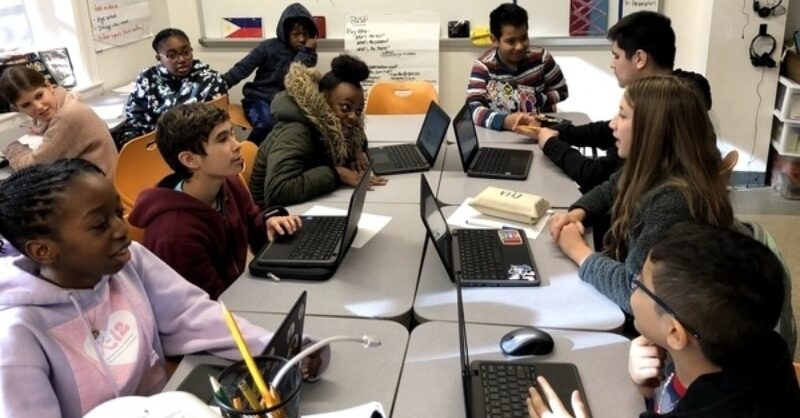
If you are interested in shifting more of the burden of the work onto your students, this training is for you. Teachers will learn how to use day to day, challenging multiple choice assessments to drive student conversations and outcomes. Teachers will learn the moves necessary to start and continue student conversations about their content, and will see how to implement peer instruction to drive questioning, discussion, and feedback cycles in the room. Peer instruction can be successfully used with students at any level, from on-level students all the way up to AP/ dual credit students.
Assessment Design

Even if you use testbanks, most of them were written by people who were not trained on item or assessment design. Learn the 18 mistakes teachers make when writing multiple choice questions and how to fix them. This training will take your assessments to the next level, align them better with standards and state-assessements, and provide better data for you to make sound instructional decisions. There is an add-on session on rubric writing and use as well.
For School Leaders
One on Ones and Feedback

When future school leaders go to graduate school to become an instructional leader, none of their coursework teaches them how to manage staff. Most have to learn people-management by doing, which involves a lot of mistakes and wasted time. Aspiring and current school administrators will learn how to implement one on ones, feedback (positive and negative), and coaching cycles to their management toolkit so that their staff are growing, learning, and are supported. If you are interested in growing leaders and continuously improving your school, this training is for you.
Get out of meeting prison

Let’s face it: most meetings these days are not a good use of time. They wander, they go too long, and in the end few things are actually accomplished. But yours can be different! Learn how to make small shifts in your meeting design and facilitation so that meetings are productive, energetic, action-oriented, and leave your staff feeling empowered. We will teach you what to do that goes far beyond just having an agenda. Your folks will love the changes and will actually look forward to your meetings!
 The Principal Teacher